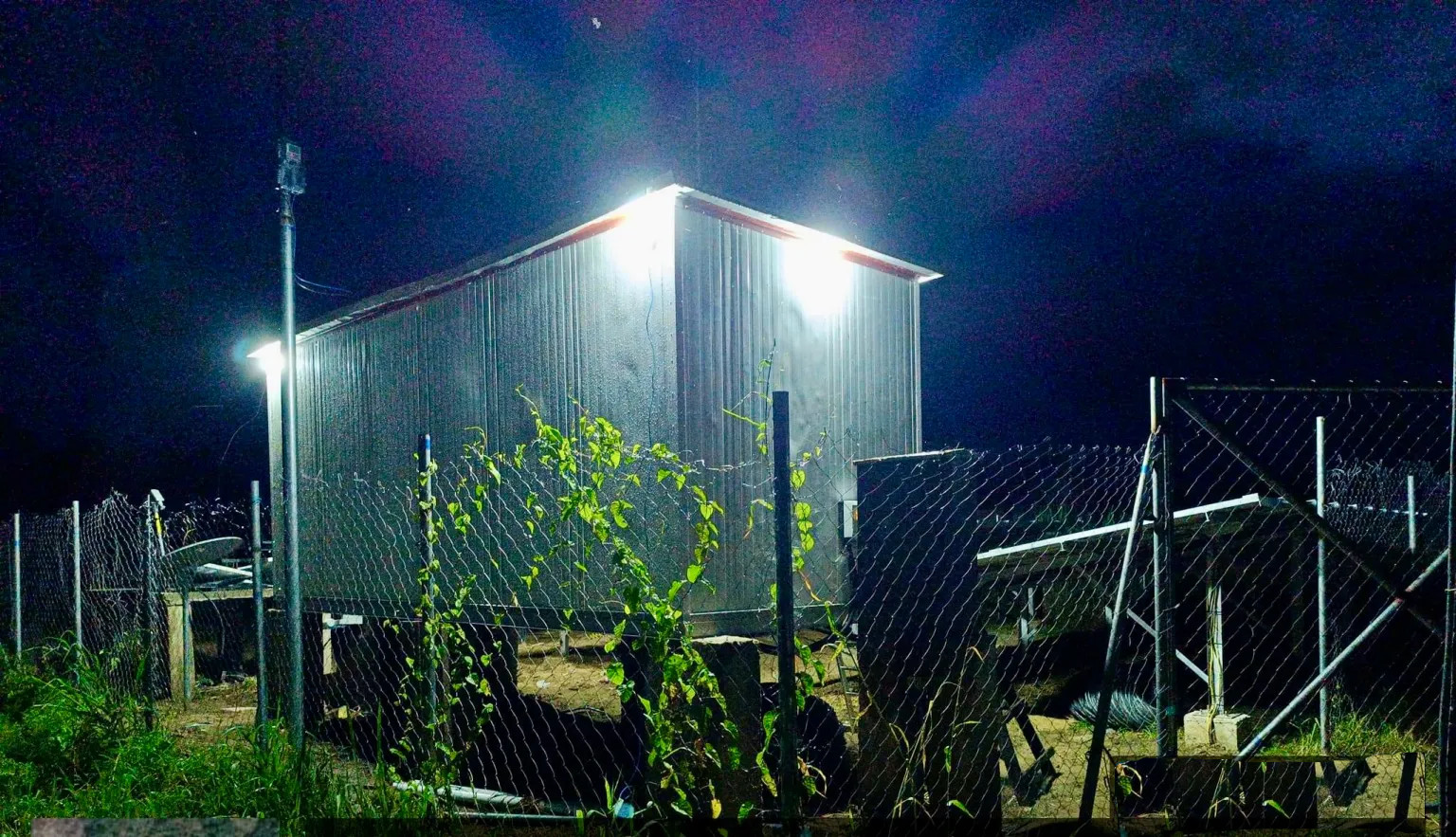

Reviving the Niger Delta: Sustainable Energy Solutions for a Greener Future
The Environmental Impact of Fossil Fuels
The Niger Delta, once a thriving ecosystem, has been severely affected by pollution resulting from oil and gas extraction. The negative consequences include:
- Destruction of habitats for wildlife and aquatic life
- Contamination of water sources, affecting both communities and agriculture
- Health issues for local populations, including respiratory problems and skin diseases
Understanding Alternative Energy Sources
Transitioning away from fossil fuels is essential for restoring the Niger Delta’s environment. Here are some alternative energy sources that can be harnessed:
- Solar Energy: Abundant sunlight makes solar panels a viable option. Solar energy can power homes and businesses, reducing reliance on fossil fuels.
- Wind Energy: Utilizing wind turbines can generate electricity in windy regions of the Niger Delta, providing another clean energy source.
- Biomass: Organic materials, such as agricultural waste, can be converted into energy. This approach not only provides power but also helps manage waste.
- Hydropower: Small-scale hydropower projects can be developed along rivers, offering a sustainable energy solution while preserving water ecosystems.
Advocating for Renewable Energy in Local Communities
Community engagement is crucial in promoting alternative energy. Here’s how individuals and organizations can support this movement:
- Education and Awareness: Conduct workshops and training sessions to inform community members about the benefits of renewable energy.
- Subsidies and Incentives: Advocate for government programs that subsidize the installation of renewable energy systems for households and businesses.
- Collaboration with NGOs: Partner with non-governmental organizations to develop projects that focus on installing renewable resources in affected areas.
Real-World Examples of Success
In various parts of the world, communities have successfully transitioned to renewable energy:
- Germany: Through the Energiewende ("energy transition") initiative, Germany has significantly increased its renewable energy share in electricity generation, focusing on solar and wind power.
- Kenya: The use of solar-powered microgrids in rural areas has transformed the energy landscape, providing reliable electricity and improving quality of life.
- Brazil: By harnessing biomass energy from sugarcane, Brazil has reduced its dependence on fossil fuels while promoting sustainable agricultural practices.
Conclusion
Preserving the environment and uplifting the communities in the Niger Delta require a comprehensive approach to energy consumption. By embracing alternative energy solutions, we can reduce reliance on fossil fuels, promote sustainability, and foster environmental restoration. Together, we can pave the way for a greener, healthier future for the Niger Delta and the world.